Buying Guides
How to Choose Olive Harvest Net for Olive Groves: GSM, Size and Corners Compared
Choose olive harvest net by GSM, size and reinforced corners — not by colour alone. This guide compares 32–90 GSM grades and what to check before harvest, so olives land on the net, not the soil.
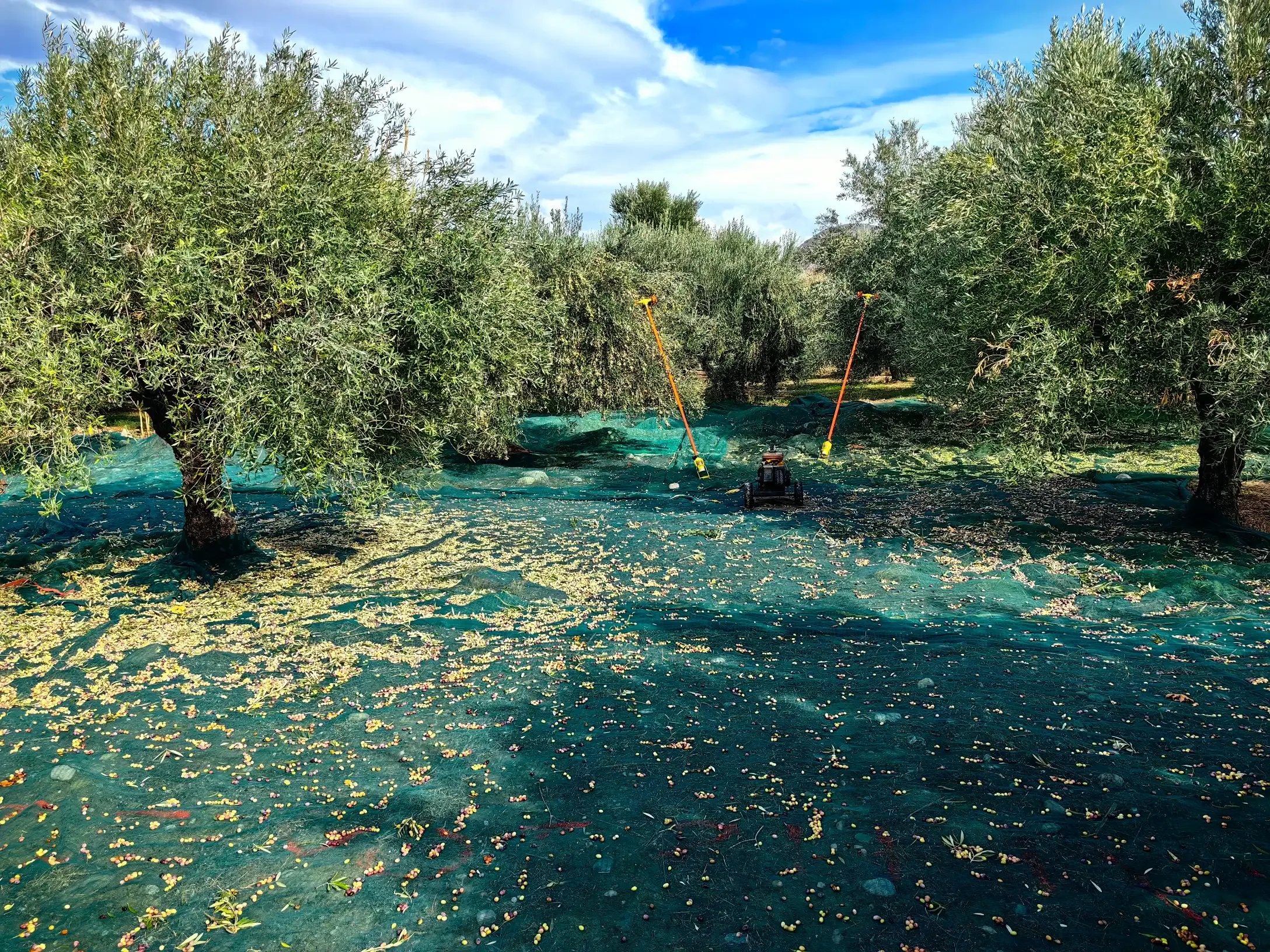
Choosing an olive harvest net starts with one question: when the olives fall, will they land on a clean net you can gather — or on the soil, where they bruise, pick up dirt and take hours to collect?
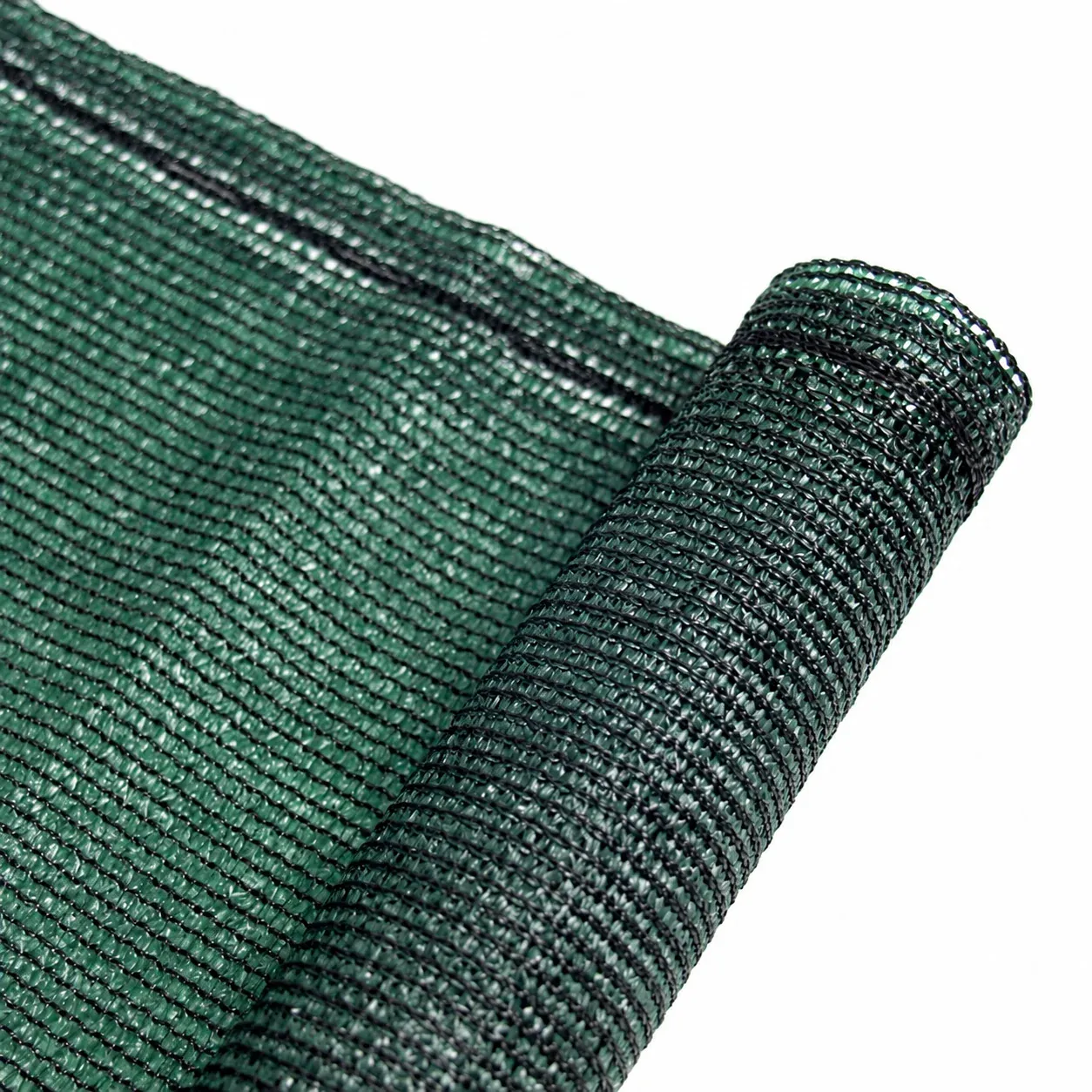
For most olive groves, a green HDPE olive harvest net spread under the tree before shaking or beating the branches is the usual answer. The olives fall on the net, you gather the corners, and you pour them out — then you fold the net and move to the next tree. The rest of this guide shows how to pick a GSM grade, a size and a reinforced corner before you order, so you do not choose by colour alone.
Which GSM grade do you actually need?
GSM is the weight of the net per square metre. A heavier net is usually stronger and harder to tear, but it is also heavier to carry between trees and slower to spread and fold. A lighter net is easier to handle, but it may not stand up to a full season of beating, dragging and folding.
The grades in the Kunjie range
The Kunjie catalogue lists olive harvest net in 32, 60, 65, 70 and 90 GSM. That is a range to choose from, not a single “standard” grade — the right one depends on how the net will be used, how many trees it must cover, and how rough the handling will be.
GSM grade | What it is for |
32 GSM | Lightest grade, easiest to carry and spread; for gentle handling and short use |
60 / 65 GSM | Middle grades, the usual starting point for regular harvest work |
70 GSM | Heavier, for harder use and longer seasons |
90 GSM | Heaviest grade in the range, for the roughest handling |
Do not compare two offers by GSM alone. Ask what the GSM covers — the net only, or the net plus reinforced edges and corners — and ask for a sample of the grade you plan to order, so you can feel the weight and check the mesh before you order in bulk.
GSM is not the same as mesh size
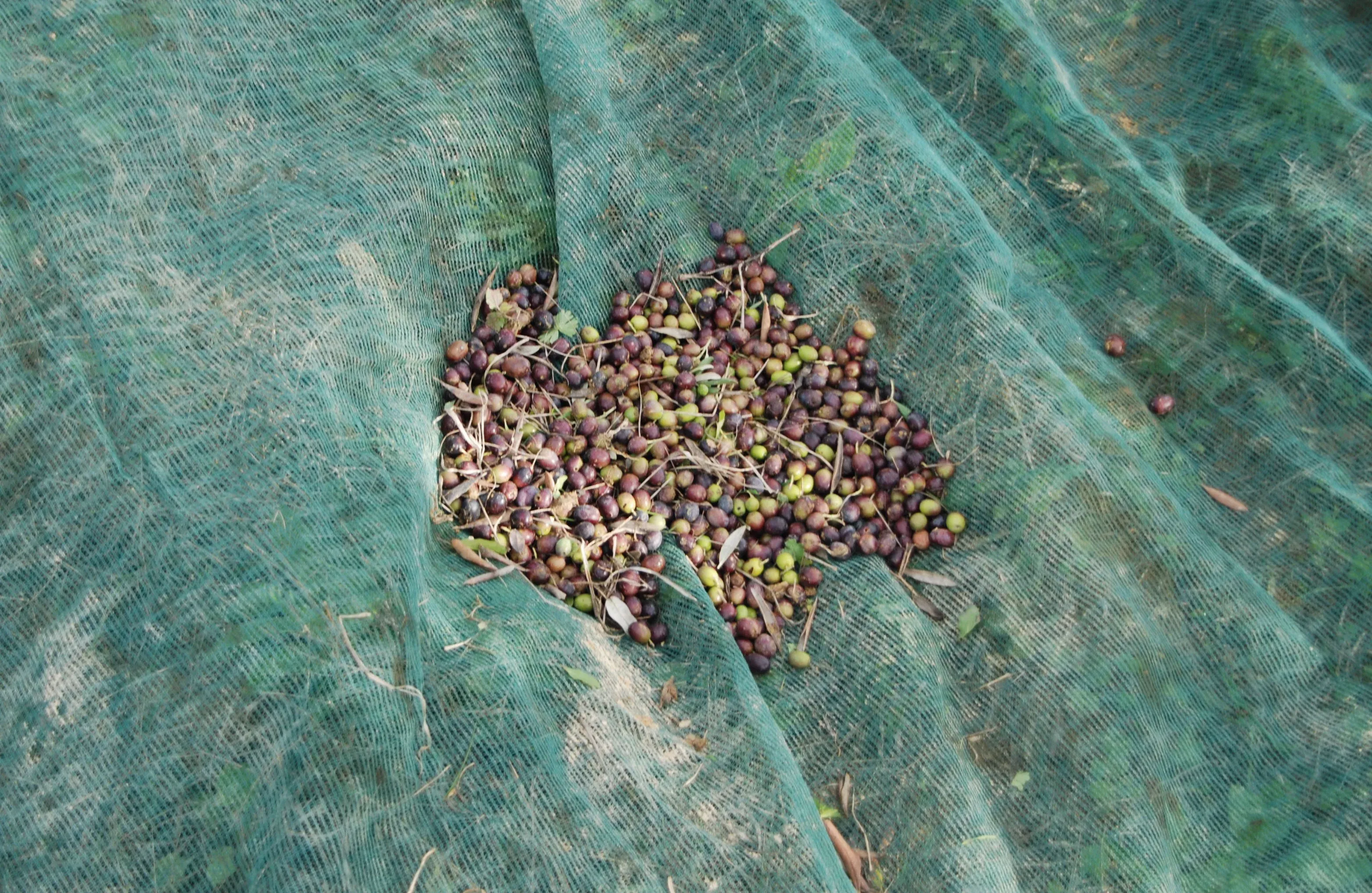
GSM tells you how heavy the net is. Mesh size — the size of the holes in the net — tells you what falls through it. A net with holes too large will let small olives drop through to the soil; a net with holes too small will hold leaves and twigs with the fruit and slow down cleaning. GSM and mesh size are different measures, and neither one tells you the other. Before you compare prices, ask for both figures in writing for the grade you want: the GSM and the mesh opening.
How do size and reinforced corners change the harvest?
GSM decides how strong the net is. Size and corners decide how fast a crew can work — how many nets it takes to cover a tree, how the net is fixed, and whether it tears at the corners where it is pulled hardest.
Size — cover the tree, not just the trunk
Spread the net so it covers the ground under the whole canopy, not only the area around the trunk. Olives fall where the branches reach, so a net that is too small leaves fruit on the soil at the edges. Before you order, send the size of the trees you harvest — the canopy spread, or
the distance between trees — and ask the supplier to suggest a net size that covers one tree with the fewest joins. A net that is too large is heavy to drag; a net that is too small wastes the harvest it was meant to catch.
Reinforced corners and eyelets — where nets fail first
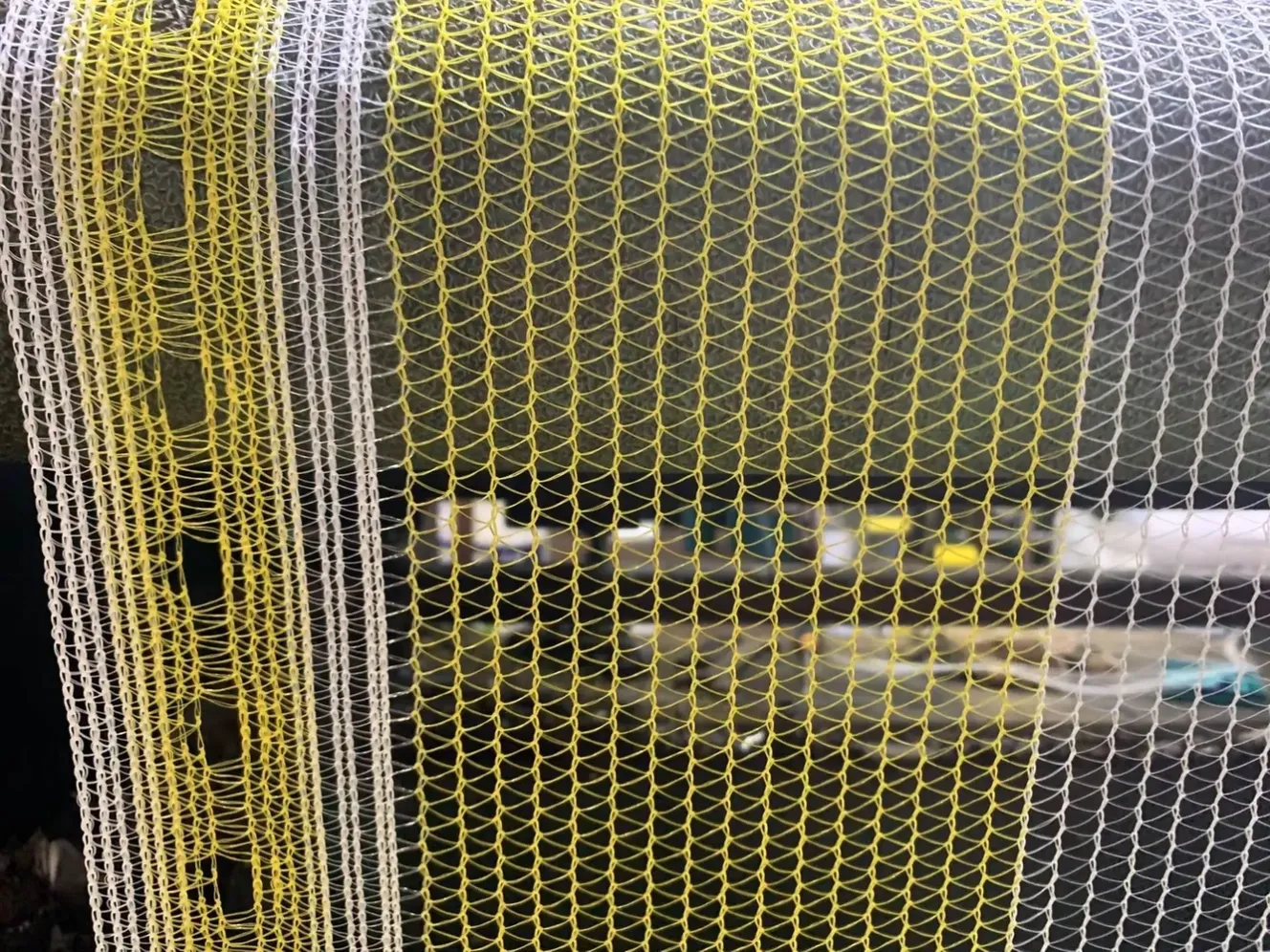
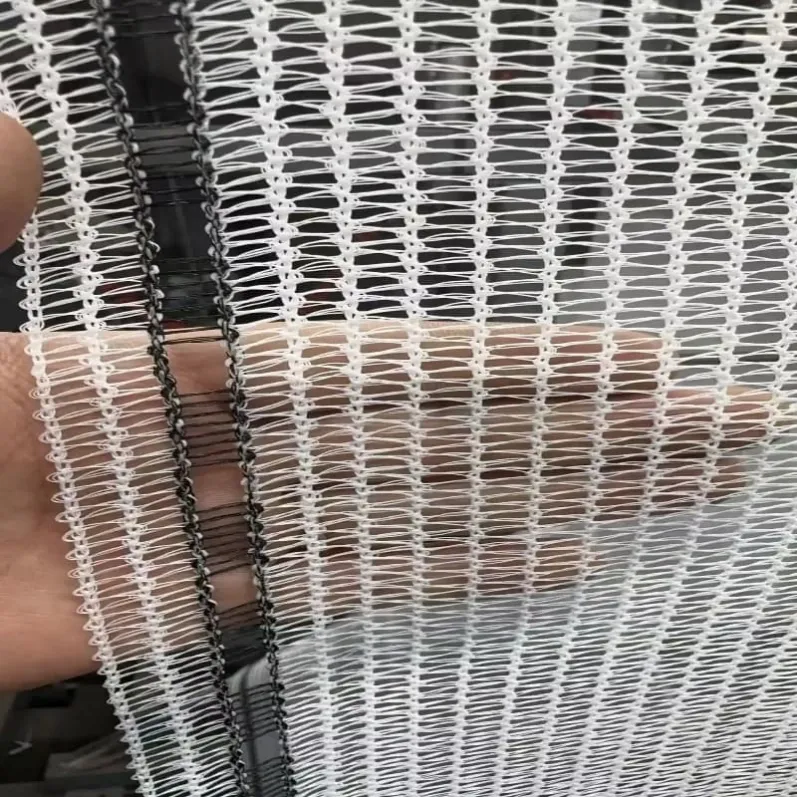
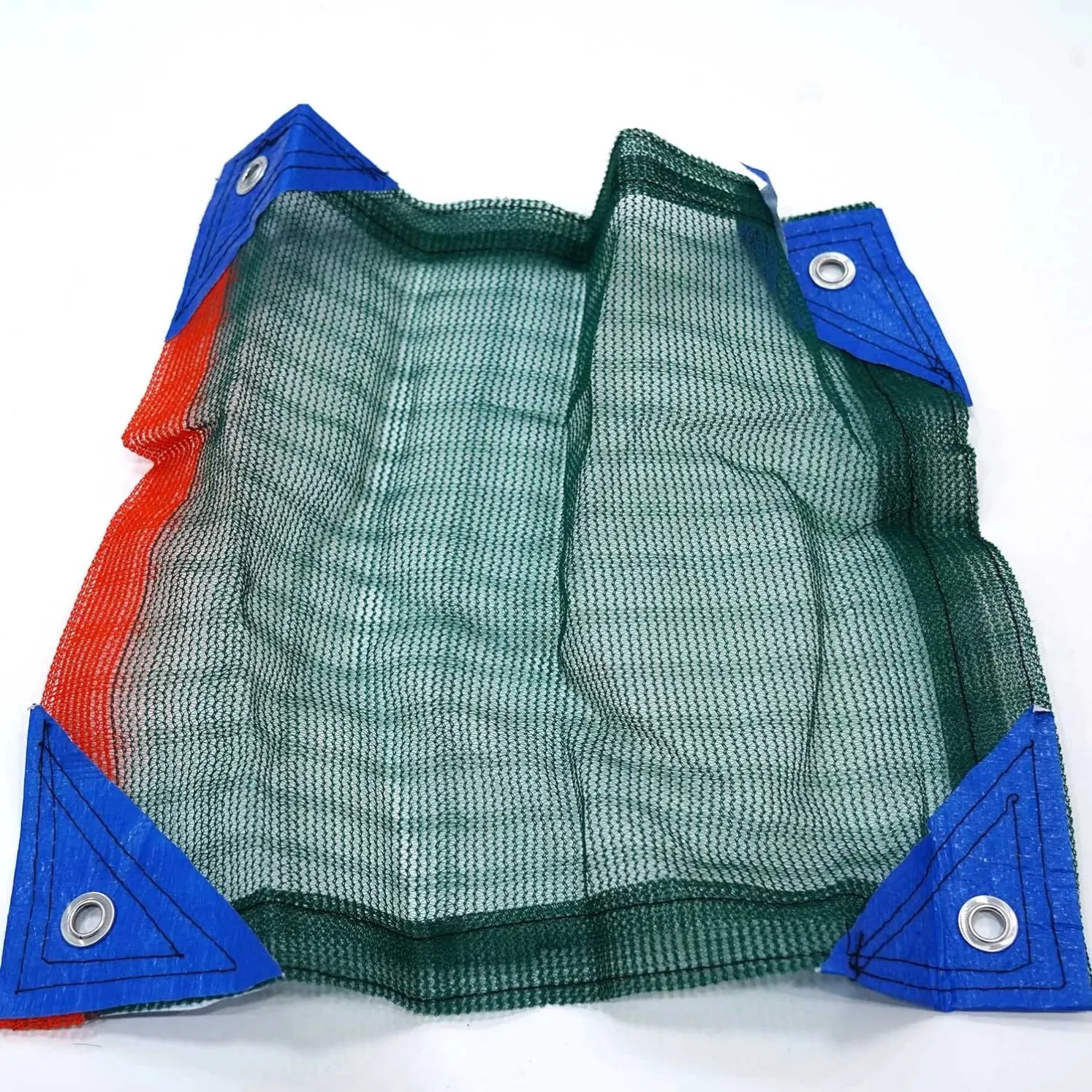
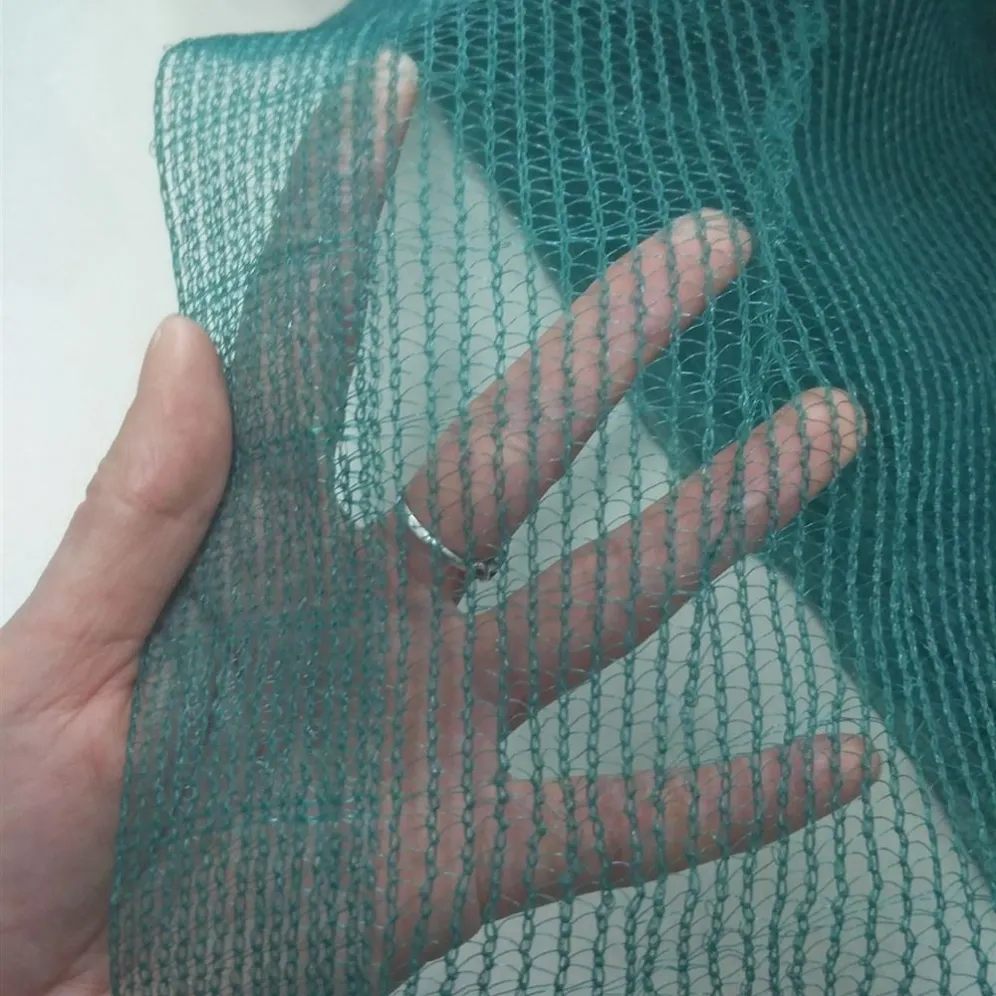
The corners are where a harvest net is pulled, tied and gathered, so they are where it tears first. Look for reinforced corner patches and metal eyelets, and check how they are fixed — a corner patch that is only stitched at the edge will peel, while a patch sewn through the mesh holds. When you receive a sample, pull the corner by the eyelet the way a worker would when gathering the net, and look for stitching that gives way.
Mesh, handling and timing
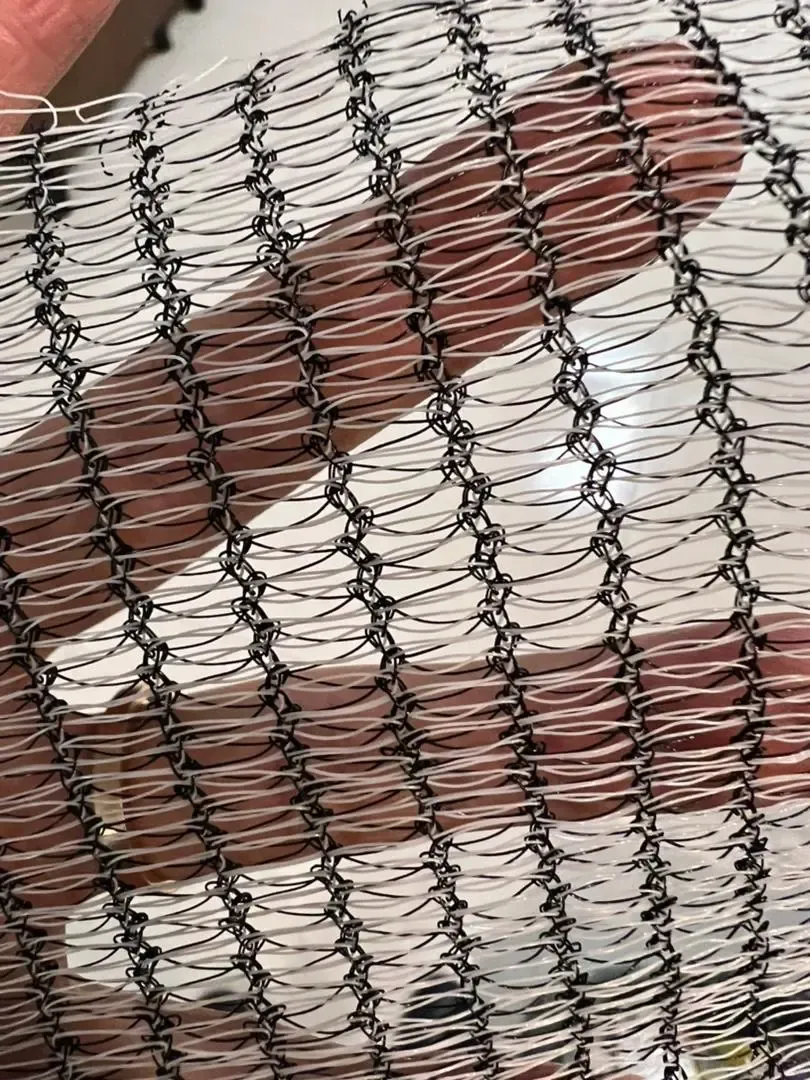
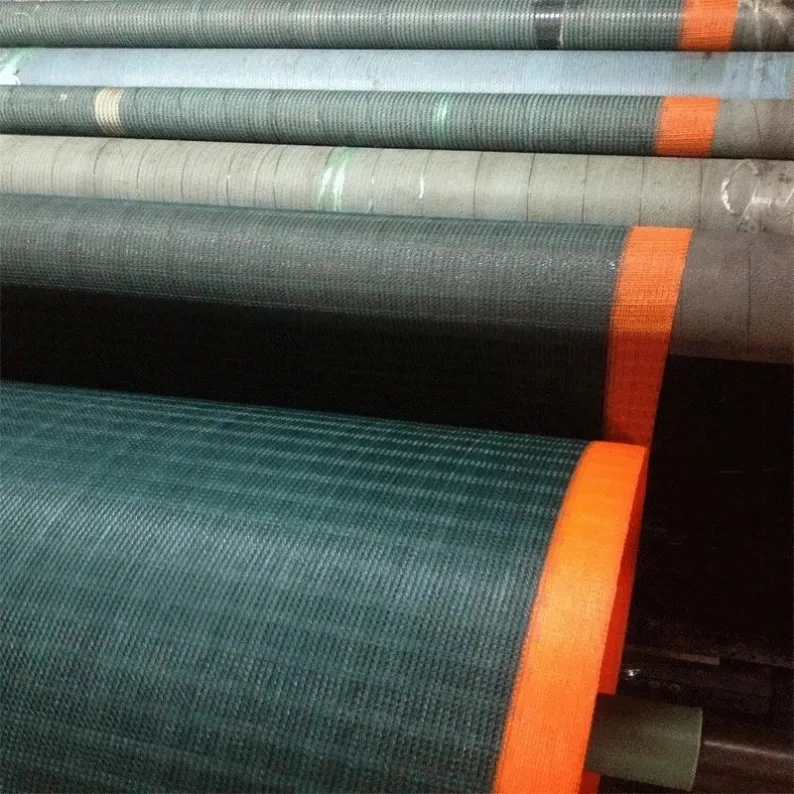
The net should be light enough for one person to carry and spread, and it should fold away small between trees. Check the mesh on a sample before harvest: hold it up to the light and look for even, regular openings, with no thin or broken threads. Harvest timing matters too — in Chile and Argentina the olive harvest generally falls in April to June, and in Peru in April to July — so order early enough that the nets are on site before the first trees are shaken, not after. That timing is general harvest-season background, not a delivery promise.
What to send before inquiry
A short inquiry gets a faster, more accurate quote. Send:
- Use: olive grove harvest, and the size of the trees or the canopy spread to cover.
- GSM grade you want: 32, 60, 65, 70 or 90 GSM, and why — for example, rough handling or a long season.
- Mesh size you need: the mesh opening, so small olives do not fall through.
- Net size: the length and width you prefer, and whether you want rolls or folded packs.
- Corners and fixing: reinforced corners and eyelets, or plain edges — and how you plan to fix the net.
- Quantity: total area or total nets, so the supplier can quote the grade and size together.
Do not send only “olive net price”. Without GSM, mesh size, net size and quantity, a price cannot be compared.
Item | Specification |
Material | HDPE olive harvest net, green |
GSM | 32 / 60 / 65 / 70 / 90 GSM (catalogue range — confirm grade at quotation) |
Mesh size | Confirm at quotation |
Net size | Confirm at quotation |
Reinforced corners / eyelets | Confirm at quotation |
Form | Rolls and folded packs |
MOQ / production / port / price | Confirm at quotation |
FAQ
What GSM olive harvest net should I start with?
The middle grades, 60 or 65 GSM, are the usual starting point for regular harvest work. Go lighter (32 GSM) if handling is gentle and the net is easy to carry, or heavier (70 or 90 GSM) if the net will be dragged, pulled hard at the corners, or used for a long season. Ask for a sample of the grade you choose before you order in bulk.
Does a heavier net always last longer?
Not necessarily. GSM is fabric weight, not a guarantee of life. How the net is handled — dragging over rough ground, pulling hard at unreinforced corners, folding wet — matters as much as its weight. Check the reinforced corners and the mesh on a sample, and ask the supplier what the GSM covers before you compare offers.
Can one net cover a whole olive tree?
It depends on the canopy. The net should cover the ground under the whole canopy, not only around the trunk, so send the canopy spread or the distance between trees with your inquiry and ask the supplier to suggest a size that covers one tree with the fewest joins.
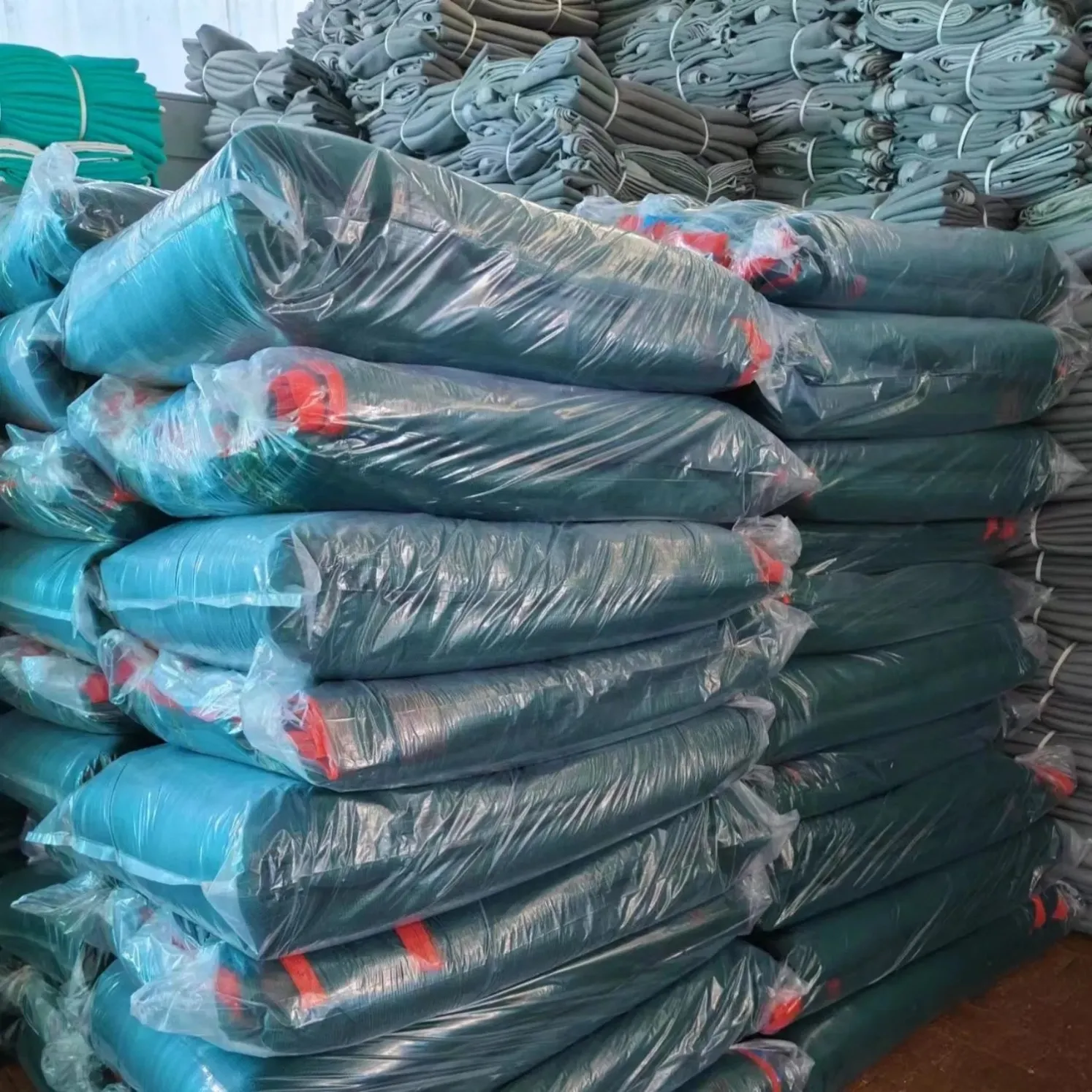
If you are choosing net for the olive harvest, send your tree size, GSM grade and quantity to Kunjie Net for a quote on this green HDPE olive harvest net, or view the product page for the full spec table and photos.
For the detailed specifications and ordering guide, read How to Choose Olive Harvesting Nets for Your Orchard.