Does a Lower Shade Net Price Mean Cutting Corners?
Compare shade net quotes line by line. Check GSM, dimensions, materials, UV requirements and landed cost before judging a lower price.
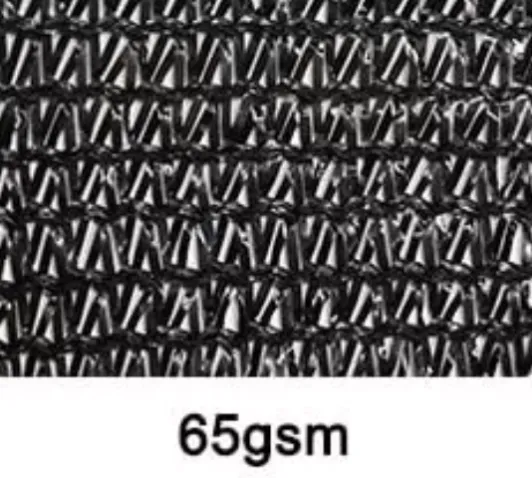
Does a Lower Shade Net Price Mean Cutting Corners?
Not necessarily. A lower shade net price is a reason to compare the details—not proof that another supplier is cutting corners. Equally, a higher price does not establish better quality.
Why Can Nets With the Same Shade Percentage Have Different Prices?
Shade Percentage Is Not the Same as GSM
Shade percentage describes light reduction under a stated measurement method. GSM means grams per square metre: the mass of fabric divided by its area.
A 70% shade rating does not mean 70 GSM. There is no universal conversion between the two.
Different yarn dimensions, colours and knitting arrangements can produce different combinations of fabric weight and light reduction. Two products carrying the same nominal shade percentage may therefore contain different amounts of material per square metre.
Ask whether the shade rating is nominal or supported by a test, what was measured, and whether the result applies to the quoted construction and colour. Shade percentage and UV blocking should not be treated as interchangeable claims.
GSM also needs context. It is a useful comparison variable, but does not independently establish strength or outdoor durability.
Materials, Yarn Construction and UV Requirements May Differ
“HDPE shade net” is not a complete material specification.
A quotation may describe virgin resin, recycled content or a blend. If material composition matters to your purchase, request a written declaration and establish what supporting records are available. Do not infer recycled content from a low price, or assume that the word “virgin” proves every required performance characteristic.
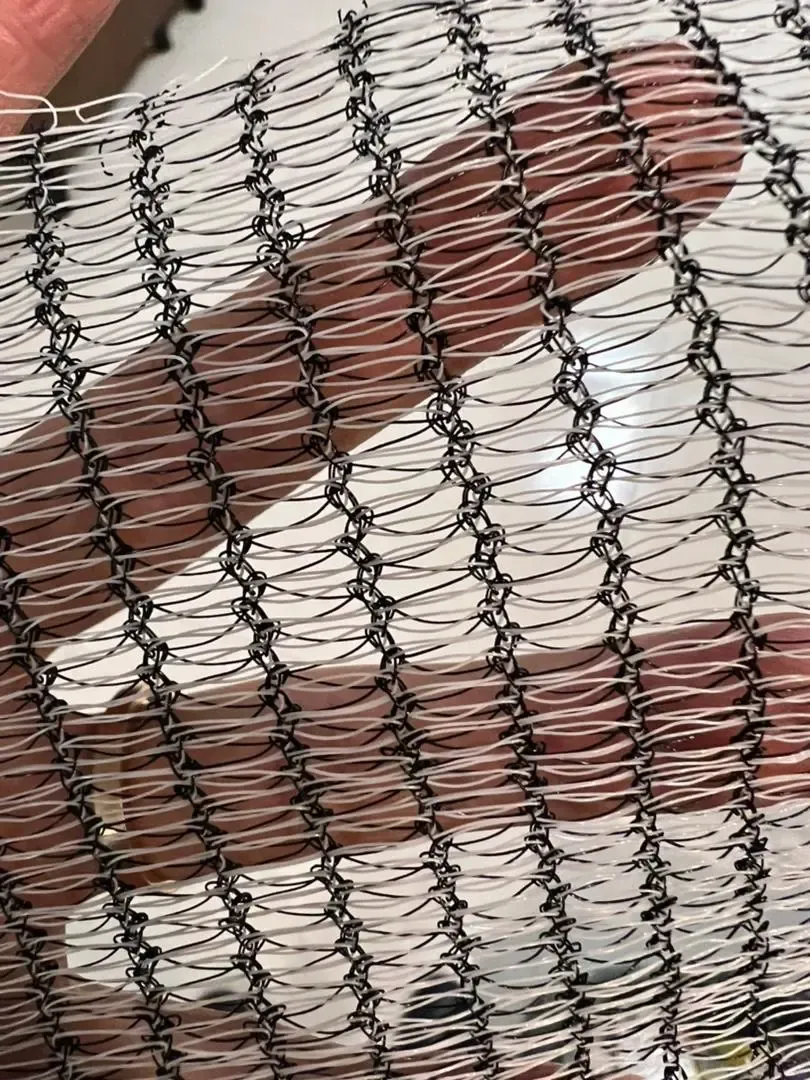
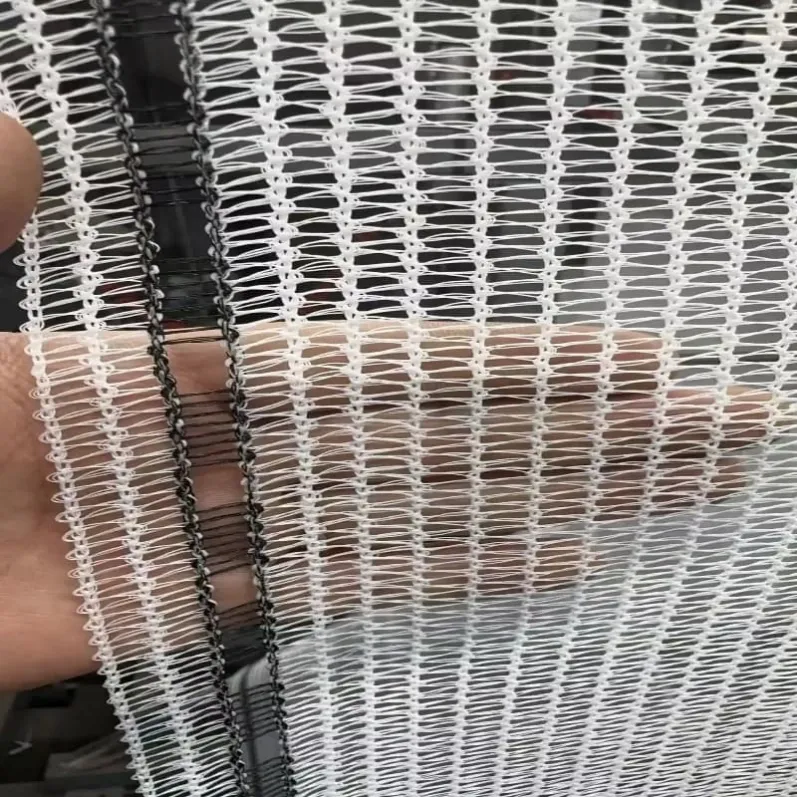
Yarn construction also matters. Monofilament nets use individual filaments; tape constructions use flattened strips. Mixed constructions combine yarn types. These arrangements can differ in appearance, handling and material distribution, so substitutions should be disclosed.
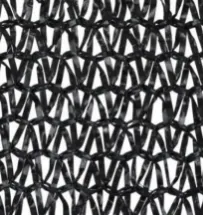
UV stabilisers are another variable. However, “UV stabilised” alone does not establish a particular outdoor lifespan. Ask what evidence supports any durability statement and what exposure conditions, exclusions and remedies apply to a warranty.
Roll Area, Finishing and Packaging Affect What You Receive
A price per roll is incomplete without dimensions and a weight definition.
Check unfolded width rather than folded packing width. Confirm whether length is nominal or measured, how the fabric is handled during measurement, and what dimensional variation has been agreed.
Then distinguish fabric net weight from gross roll weight. A heavier gross roll could contain a heavier paper core or more packaging rather than more fabric.
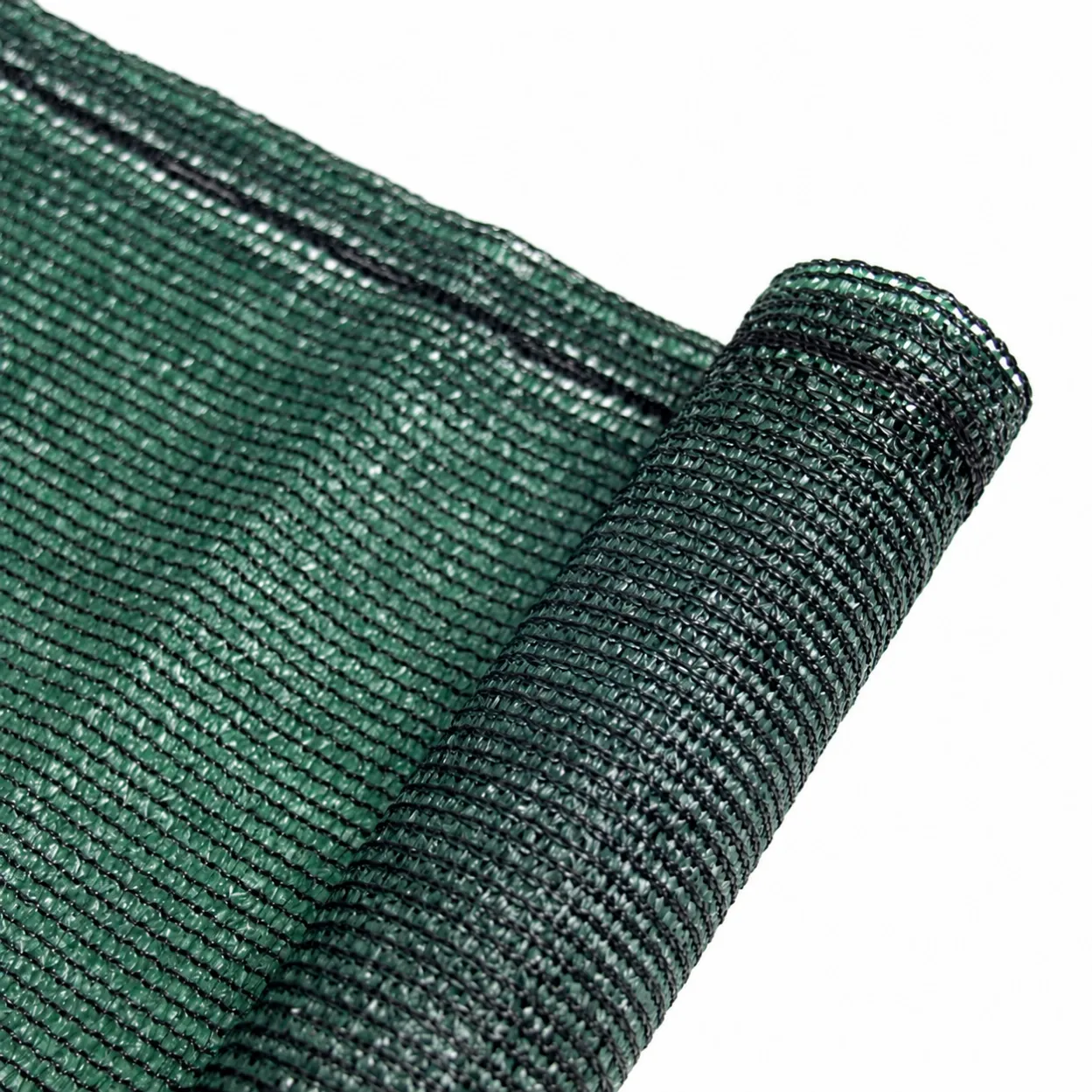
Finishing can also change the quotation. Plain rolls, reinforced edges, sewn panels and nets with eyelets are different configurations. Labels, individual wrapping, outer packaging and retail presentation may add costs that another offer excludes.
Delivery Terms, Payment Terms and Supplier Costs Also Matter
An FOB quotation cannot be compared directly with CIF or DDP as though each covered identical costs. State the applicable Incoterms® version and named port or place, then identify which charges remain payable by the buyer. Payment terms must also be agreed separately.
Compare deposit requirements, balance-payment timing, currency, quotation validity, order quantity and shipment schedule.
Finally, matching specifications do not force matching prices. Purchasing arrangements, production efficiency, available capacity and profit margins can differ. A remaining price difference is not automatically evidence of a hidden compromise.
How to Compare Two Shade Net Quotations Line by Line
Send Every Supplier the Same 12-Point Checklist
A fair shade net price comparison starts with one version of your requirements.
Send the following sheet to both suppliers. Ask each to complete its own column and clearly identify exceptions. “Standard specification” is insufficient when the standard itself is undefined.
Comparison item | Information both suppliers should confirm | Supplier A | Supplier B |
|---|---|---|---|
1. Intended application | Agriculture, nursery, livestock or garden use; destination and installation conditions | To complete | To complete |
2. Shade requirement | Target percentage, nominal or tested basis, measurement method and required verification | To complete | To complete |
3. Fabric weight | Target GSM, mass basis, agreed tolerance and checking method | To complete | To complete |
4. Material formulation | Resin type, virgin/recycled requirements, and available supporting records | To complete | To complete |
5. Yarn and construction | Monofilament, tape or mixed yarn; construction description and colour | To complete | To complete |
6. UV and durability requirements | Required evidence, applicable warranty, exposure conditions and exclusions | To complete | To complete |
7. Dimensions and usable area | Unfolded width, length, measurement conditions and agreed tolerances | To complete | To complete |
8. Roll weight basis | Fabric net weight, gross weight, and treatment of cores, wrapping and accessories | To complete | To complete |
9. Finishing | Plain or reinforced edges, sewing, eyelet material, spacing and layout | To complete | To complete |
10. Packaging | Individual wrapping, labels, outer packing and package dimensions | To complete | To complete |
11. Quantity and price basis | Quantity per specification, MOQ, currency and price per kilogram, square metre or roll | To complete | To complete |
12. Commercial terms | Incoterm and named place, payment terms, shipment timing and quotation validity | To complete | To complete |
This checklist is a comparison tool, not a claim that every order requires identical documentation. Select the evidence and acceptance requirements appropriate to your application before placing the order.
Separate Equivalent Offers From Alternative Offers
A supplier may reasonably recommend a different GSM, construction or packing format. That suggestion can be useful, provided it is identified as an alternative.
Illustrative comparison only — not actual supplier quotations:
Requirement | Supplier A response | Supplier B response | Decision |
|---|---|---|---|
Target shade percentage | Nominal 70% | Nominal 70% | Confirm the rating basis |
Fabric weight | Declared GSM | Not stated | Request Supplier B's GSM |
Width and length | Unfolded dimensions stated | Packing dimensions only | Clarify usable area |
Weight | Fabric-only net weight | Gross roll weight | Obtain the same mass basis |
Commercial terms | Named delivery basis | Different delivery basis | Align included costs |
Neither quotation can yet be called better value. The missing information must be resolved first.
Ask for two clearly labelled options when appropriate: an offer meeting your requested specification and a separately priced alternative. This prevents a lighter or differently finished product from being mistaken for an equivalent offer.
Compare the Remaining Difference
Once the technical and commercial details match, compare price alongside the evidence and commitments relevant to the order.
For fabric-only pricing:
Price per m² = Price per kg × GSM ÷ 1,000
This conversion works only when the kilogram price and GSM refer to the same fabric mass basis. It does not automatically include finishing or packaging.
For a complete roll, divide the comparable roll price by its confirmed area. Converting units makes prices easier to compare; it does not remove specification differences.
When Should a Lower Price Raise Questions?
Look for Unresolved Inconsistencies
A lower price deserves closer investigation when:
- Important specifications remain unanswered after clarification requests.
- The quotation, sample label and order confirmation describe different products.
- Roll weight cannot be separated from the core and packaging.
- A lifespan claim has no explanation of conditions or supporting evidence.
- Materials, dimensions or finishing change without approval.
- Payment is requested before essential product requirements are agreed.
These points call for clarification. They do not by themselves prove that a supplier is cutting corners.
Apply the same checks to higher-priced offers. A price premium also needs a clear basis.
Distinguish Missing Information From a Confirmed Deviation
There are three different situations:
- Missing information means a requirement has not yet been defined or answered.
- An alternative specification means a supplier has openly proposed something different.
- A confirmed deviation means the supplied product fails to match an agreed requirement when checked using the agreed method.
Respond accordingly. Request missing details, assess disclosed alternatives on their own merits, and document confirmed deviations against the purchase agreement. Avoid turning an incomplete quotation into an accusation.
How to Check a Sample and Estimate the Real Cost
Measure Dimensions and Weigh the Fabric Separately
A practical preliminary check begins with an identified sample or roll, a suitable scale and a measuring tool. Record the sample reference, date, operator and method so the observations can be reviewed.
Measure unfolded width and length under agreed handling conditions. Knitted fabric can change dimensions when tensioned, so pulling it tightly for one measurement and leaving it relaxed for another produces a poor comparison.
For whole-roll weight checks, record gross weight and separately establish the mass of the core, wrapping and other non-fabric items. Do not assume a stated “net weight” excludes everything unless that definition has been confirmed.
For plain fabric:
Average GSM = Fabric net weight in kg × 1,000 ÷ Measured area in m²
Supplier-reported single-roll example — for illustration only; not an independently verified factory test:
Target weight: 50 GSM
Nominal dimensions: 2 × 50 m
Reported measured dimensions: 2 × 53 m
Reported net weight: 5 kg
Reported gross weight: 5.5 kg
Assuming the reported net weight excludes the core and all packaging, the nominal-area calculation gives:
5 × 1,000 ÷ 100 = 50 GSM
Using the reported measured area gives:
5 × 1,000 ÷ 106 ≈ 47.17 GSM
The example shows why area and weight must be recorded together. Extra length does not make the measured-area GSM equal the nominal-area result.
This calculation alone does not establish a pass or fail. Measurement conditions and acceptance tolerances were not supplied.
Use Folding and Handling Checks for Preliminary Screening
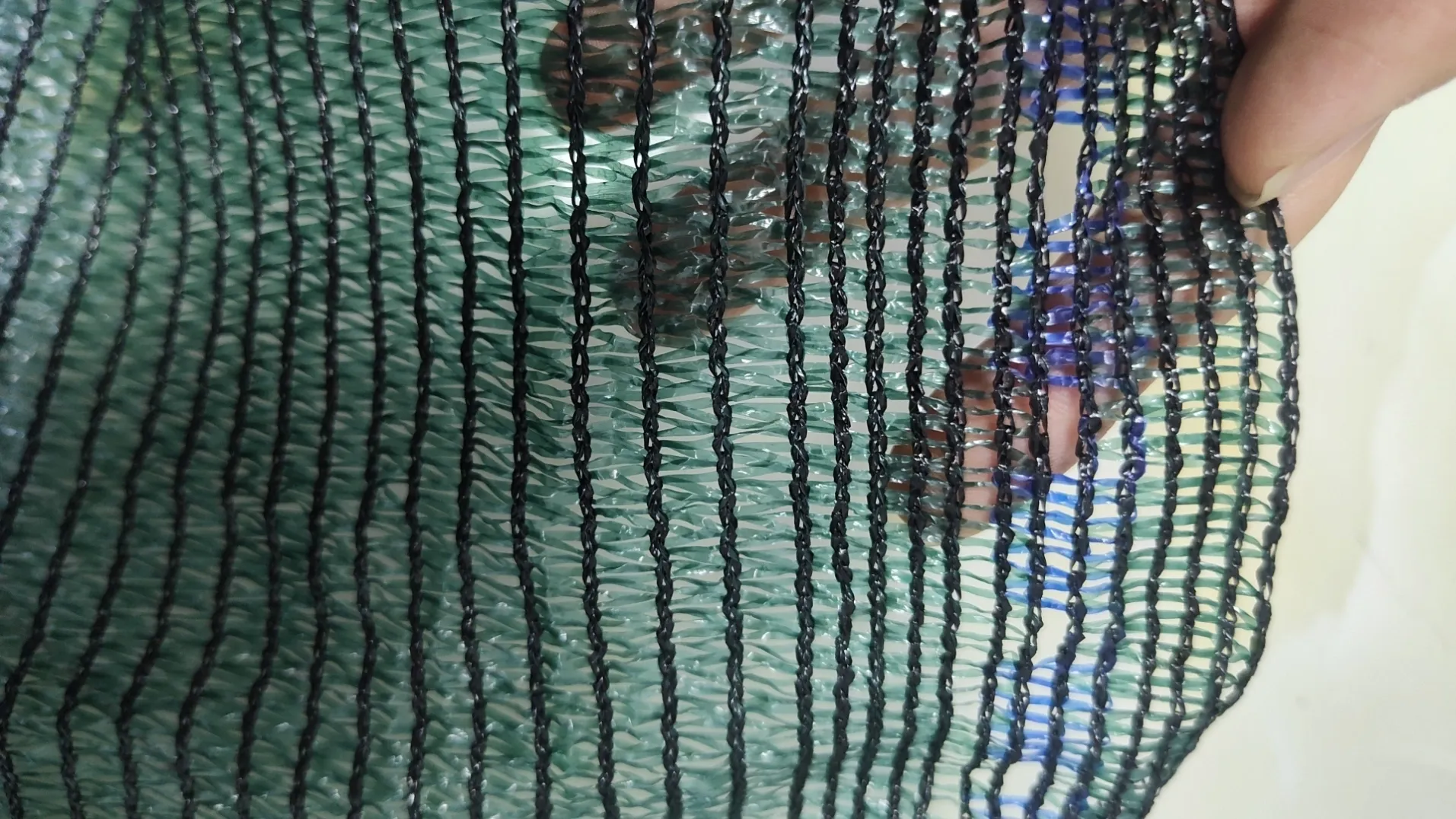
As a practical screening step, unfold, fold and reopen the sample as your team would during installation or storage.
Look for visible holes, loose sections, damaged edges and inconsistencies. Where finishing is included, inspect seams, reinforcement and eyelet attachment against the selected configuration. Record observations rather than describing the sample simply as “strong” or “weak.”
These checks can help identify handling problems and visible defects. They cannot prove accurate shade percentage, tensile strength or UV durability. A hand-pull or folding check is not a substitute for an agreed performance test.
Also distinguish sample approval from shipment acceptance: a satisfactory sample does not establish that every production roll matches it. Agree on an appropriate shipment inspection and sampling approach before ordering.
Compare Landed Cost Against Supported Service-Life Assumptions
The purchase price is only one part of cost. A useful starting calculation is:
Annualised material cost = Comparable landed cost ÷ Supported service-life estimate
First, calculate landed cost to the same destination. Identify applicable freight, insurance, customs charges and inland delivery without counting costs twice. Treat recoverable taxes consistently.
If offers cover different areas, calculate landed cost per usable square metre before annualising it.
Illustrative scenario only — not market quotations or product-life claims: Suppose two options cover the same usable area. Option A has a landed material cost of $1,000 and Option B costs $1,200. If both provide three years of acceptable service, their annualised material costs are about $333 and $400. If A instead provides two years and B three, the figures become $500 and $400.
These hypothetical lifespans demonstrate sensitivity; they do not predict actual performance. A service-life assumption needs relevant evidence and comparable exposure, installation and maintenance conditions. A warranty period should not automatically be treated as expected service life.
Where evidence is unavailable, show several clearly labelled scenarios. For a fuller ownership-cost comparison, add installation, replacement labour, removal and disposal rather than hiding them inside the material-price calculation.
Confirm the Specification Before Comparing the Price
A lower shade net price may represent a different specification, different commercial terms or a legitimate cost advantage. The quotation needs to be understood before it can be judged.
Use one requirements sheet, resolve differences line by line, and agree how the delivered product will be checked. If the offers match, assess the remaining price difference alongside delivery commitments and supporting evidence.
For your next enquiry, send the intended application, destination, shade requirement, GSM or reference sample, unfolded dimensions, quantity, finishing, packaging and delivery basis. If GSM is not yet defined, request a proposed specification and treat it as provisional until agreed.
Review our shade net product information, or contact Kunjie Net with your requirements. Confirm the specification first—then compare the price.